GOOGLE REVIEWS
See what people have been saying.
We Support Hundreds of Businesses
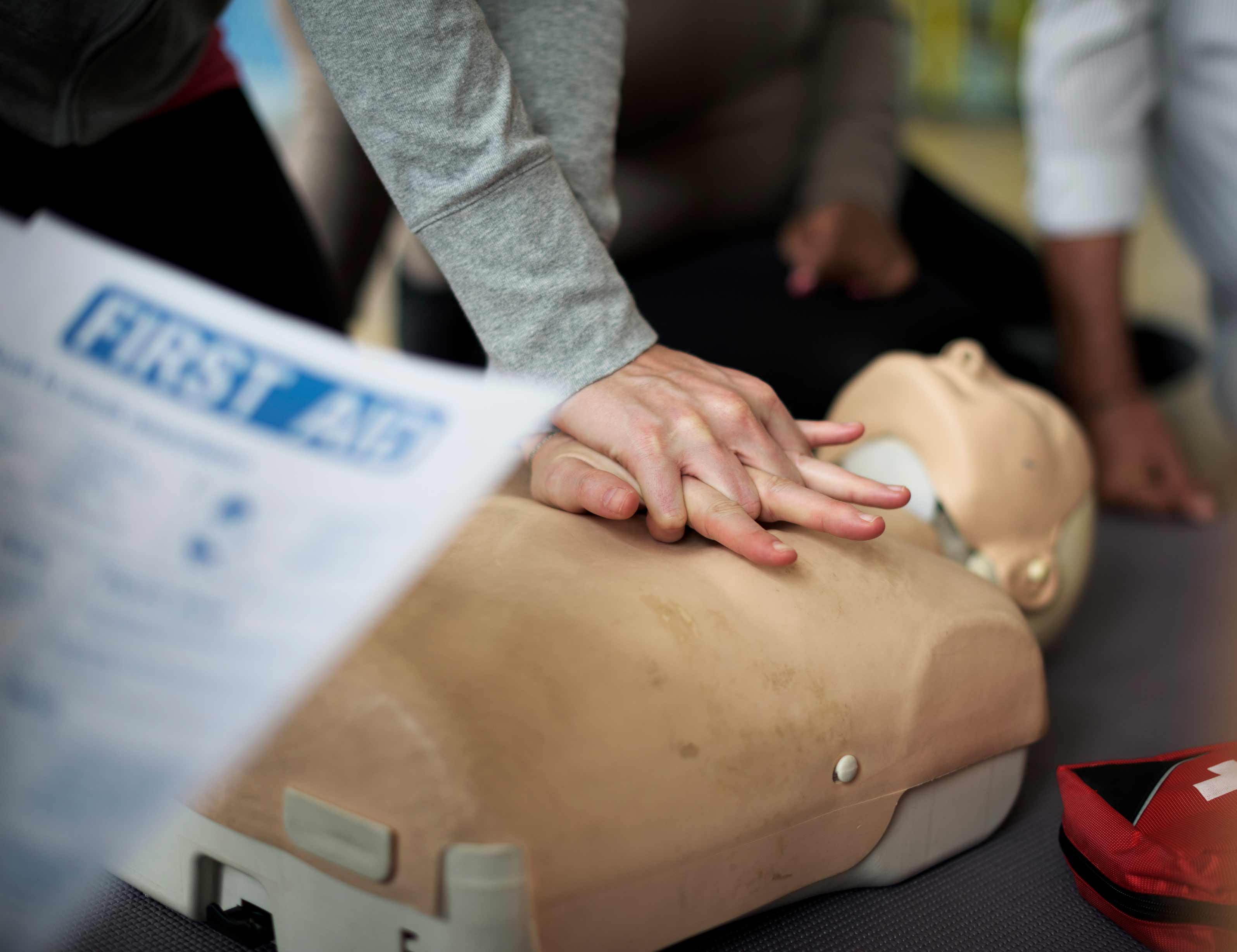

Choosing the right first aid qualification for your workplace can be confusing, especially if you're responsible for health and safety. Many employers aren't sure whether they need Emergency First Aid at Work (EFAW) or First Aid at Work (FAW) and the answer depends on the specific risks within their business.
While both qualifications equip employees with valuable life saving skills, they differ in the level of training provided and the types of workplace incidents they prepare people to manage. Understanding the differences will help you choose the most appropriate course for your organisation and ensure you meet your legal responsibilities.
Emergency First Aid at Work (EFAW) is a one-day aid training course designed for lower-risk workplaces. It gives people the confidence to recognise an emergency, provide immediate assistance and carry out a first aid response until professional medical help arrives.
The course focuses on essential emergency care and typically covers:
An EFAW qualification is often suitable for offices, retail environments and other workplaces where the likelihood of serious accidents is low.
The First Aid at Work (FAW) qualification is a more comprehensive three-day course. It covers a wider range of medical emergencies, workplace injuries and illnesses. It gives first aiders the knowledge and practical skills to respond confidently in more complex situations.
In addition to the emergency topics covered in EFAW, a First Aid at Work course also includes subjects such as:
Because it covers a wider range of conditions, FAW training is often recommended for businesses operating in higher-risk industries.
The Health and Safety Executive (HSE) requires employers to provide appropriate first aid arrangements for their workforce. The HSE expects employers to complete an aid needs assessment to determine what is appropriate for their own workplace.
Factors that influence the level of training required include:
For example, a small office may only require an Emergency First Aid at Work qualification, while a construction site is more likely to benefit from trained First Aid at Work personnel.
Choosing between Emergency First Aid at Work and First Aid at Work doesn't have to be difficult. By understanding your workplace risks, you can select the most appropriate training for your employees while meeting your legal responsibilities.
At Safer UK, we deliver accredited first aid training designed to suit businesses across a wide range of industries. Whether you're looking for an EFAW or FAW course, our experienced trainers can help you choose the right option for your organisation.
If you're unsure which qualification your business needs, contact our team today. We'll be happy to guide you towards the right course and help you create a safer workplace for everyone.


